The history of the spring is a narrative of human ingenuity, moving from basic survival needs to the complex mechanical systems that define modern transportation. While we often think of springs as metallic coils, their journey began with the simple observation of elasticity in nature.
1. Ancient Foundations: The Elasticity of Nature
The earliest “springs” were not mechanical components but biological ones. Ancient civilizations utilized the natural elasticity of wood and sinew to create tools.
- The Bow and Arrow: Dating back to the Stone Age, the bow is the first sophisticated human application of a spring. It stores potential energy in its flexible limbs and releases it as kinetic energy to propel an arrow.
- Siege Engines: By the 4th century BC, the Greeks and Romans developed the ballista and catapult. These relied on massive torsion springs—bundles of twisted animal sinew or hair—to launch projectiles over great distances (MDPI, 2024).
2. The Renaissance and the Birth of Steel Springs
The transition from wood to metal marked a turning point. During the 15th century, the first small-scale steel springs appeared in door locks and early firearms.
- Horology (Clocks and Watches): In the early 1500s, Peter Henlein invented the mainspring, a coiled ribbon of steel that allowed clocks to become portable. This was the precursor to the modern pocket watch.
- The Scientific Leap: In 1678, Robert Hooke published Hooke’s Law ($F = kx$), providing the first mathematical foundation for how springs behave. This allowed engineers to calculate precisely how much force a spring would exert based on its displacement.
3. The Industrial Revolution: Leaf vs. Coil
As horse-drawn carriages evolved into early automobiles, the need for passenger comfort drove innovation in suspension.
- Leaf Springs (17th–19th Century): Originally called “laminated” or “carriage” springs, these consist of several layers of steel stacked together. They were the dominant suspension for centuries because they could support heavy loads and provided natural damping through inter-leaf friction (MATEC Web of Conferences, 2021).
- The Rise of the Coil Spring: While patented as early as 1763 by R. Tredwell, coil springs didn’t become common in vehicles until the late 19th and early 20th centuries. They offered a more compact design and a smoother “ride quality” compared to the stiff leaf springs of the time.
4. Modern Automotive Evolution (1900s–Present)
The 20th century saw the perfection of the automotive spring, moving from simple iron coils to high-performance alloy systems.
- McPherson Strut (1940s): Invented by Earle S. MacPherson, this system integrated the shock absorber and coil spring into a single compact unit (Frontiers in Mechanical Engineering, 2026). It revolutionized car design by saving space and reducing weight, a standard still used in most modern cars today.
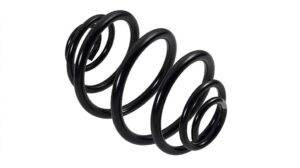
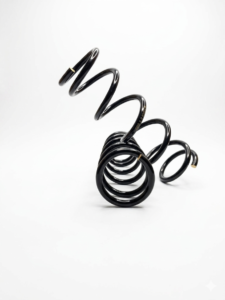
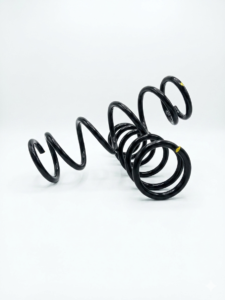
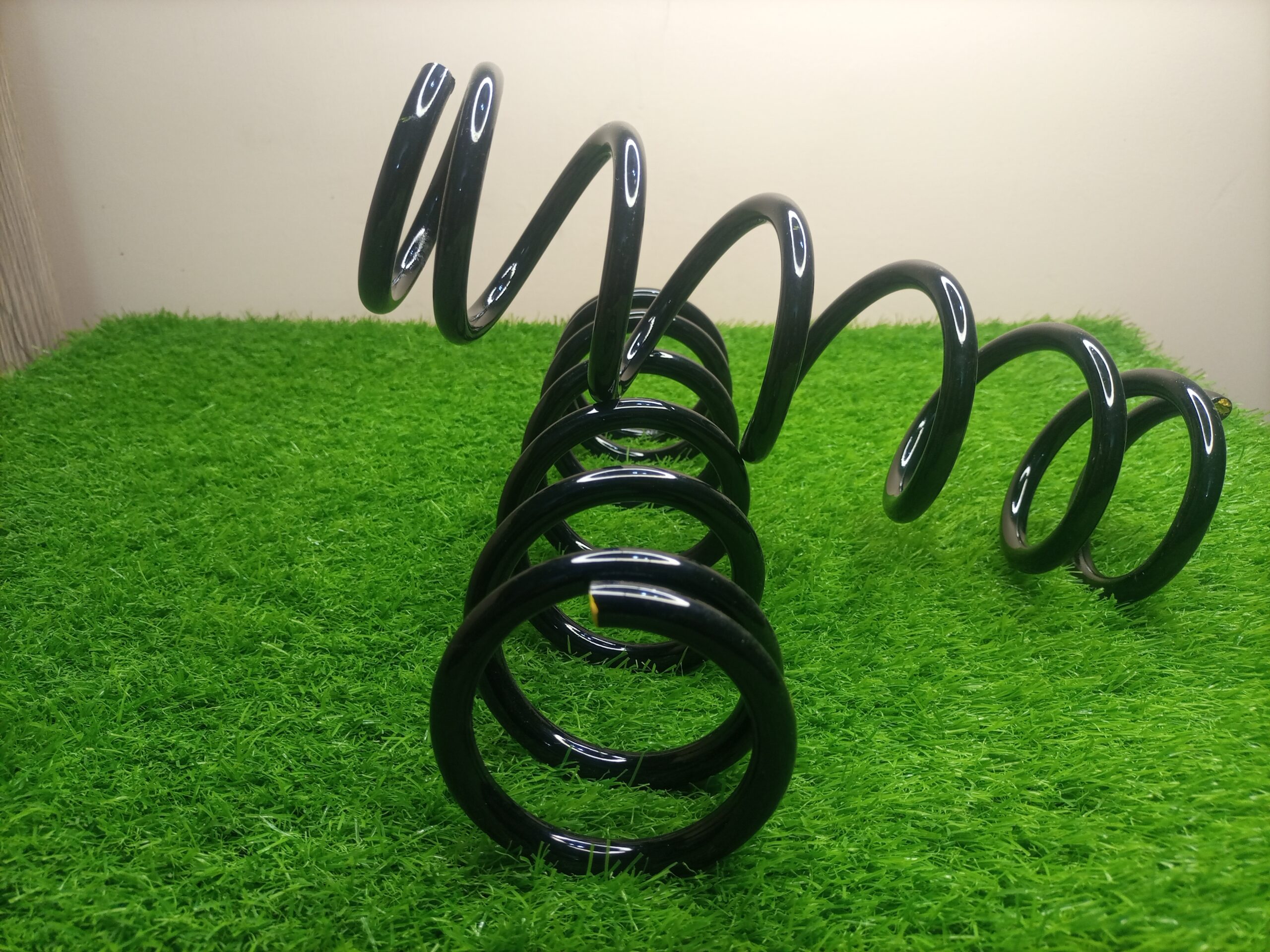
- Variable Rate Springs: Modern manufacturing allows for springs with uneven coil spacing. This means a car can be soft and comfortable on a smooth highway but stiffen up instantly when taking a sharp corner.
5. Waqar Coil Springs: Continuing the Legacy
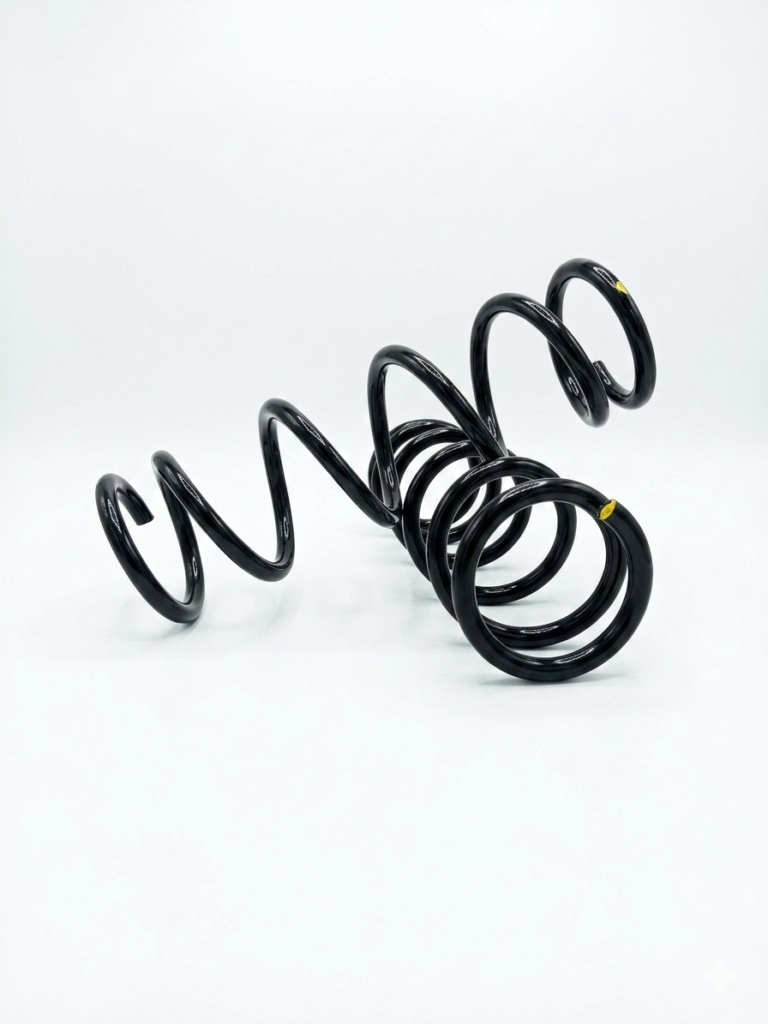
In the modern landscape, manufacturers like Waqar Coil Spring represent the pinnacle of this evolution. Today’s springs are no longer just “coiled wire”; they are precision-engineered safety components.
| Era | Key Material | Primary Use |
| Ancient | Wood / Sinew | Hunting and Warfare |
| Renaissance | Forged Steel | Clocks and Locks |
| Industrial | High-Carbon Steel | Railway and Carriages |
| Modern | Chromium Silicon Alloy | Performance Automotive (e.g., Waqar) |